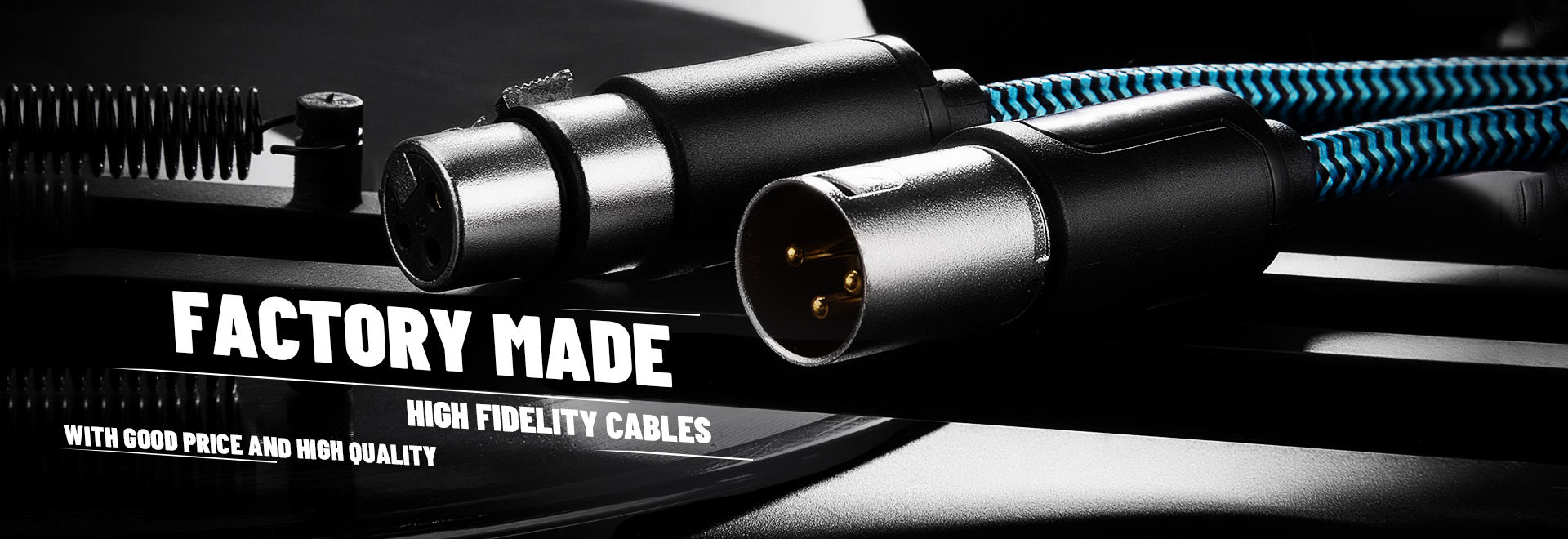
XLR vs Microphone Cable: Key Insights from China Manufacturers
When I consider the best options for audio connections, the choice between XLR and microphone cables often comes up. As a manufacturer in China, I understand the importance of quality in these cables for delivering clear sound. Whether you're setting up a recording studio or live sound system, the right cable can make a big difference. XLR cables, known for their durability and ability to reduce noise, are ideal for professional settings, while standard microphone cables may be a more budget-friendly option for less demanding situations. I've seen firsthand how investing in quality cables can enhance audio performance, leading to satisfied clients and repeat business. If you're a B2B purchaser, choosing reliable suppliers who understand your needs is crucial. That’s why I recommend sourcing top-notch cables that align with your projects, ensuring every note and word comes through perfectly. Let’s elevate your sound experience together!


xlr vs microphone cable Sets the Industry Standard Service Backed by Expertise
When it comes to audio equipment, choosing the right cables can significantly impact sound quality and performance. The debate between XLR and microphone cables is one that shapes the industry standard for professionals and enthusiasts alike. XLR cables are renowned for their robust construction and excellent noise-cancellation capabilities, making them the preferred choice for studio and live performance settings. Their three-pin connection ensures balanced audio signals, reducing interference and delivering clear, high-fidelity sound. On the other hand, traditional microphone cables usually come in unbalanced formats, which might suffice for less demanding setups. However, for global production needs, especially in large venues or complex sound systems, the reliability of XLR connections cannot be understated. The industry has seen a growing trend favoring XLR cables due to their adaptability and superior audio fidelity, supported by extensive expertise in sound engineering and technology. Investing in high-quality cable sets ensures that your audio systems perform at their best. Whether you are equipping a small studio or a large concert hall, the right cables will provide the backbone for your audio network, helping you meet the ever-evolving demands of sound production. By understanding the crucial differences and applications of XLR versus traditional microphone cables, you can make informed decisions that align with industry standards, ultimately enhancing your audio experience.
XLR vs Microphone Cable Sets the Industry Standard Service Backed by Expertise
| Cable Type | Length | Material | Connector Type | Use Case |
|---|---|---|---|---|
| XLR Cable | 10 ft | Copper | 3-pin XLR | Professional Audio |
| Microphone Cable | 20 ft | Oxygen-Free Copper | 1/4" TRS | Home Studio Recording |
| Balanced Cable | 15 ft | Shielded Copper | XLR to XLR | Live Performances |
| Unbalanced Cable | 25 ft | Copper | 1/4" TS | Instruments |
Related Products


xlr vs microphone cable Dominates Pioneers in the Field
Top Selling Products


- Related Blog
- Reviews
- Reviews