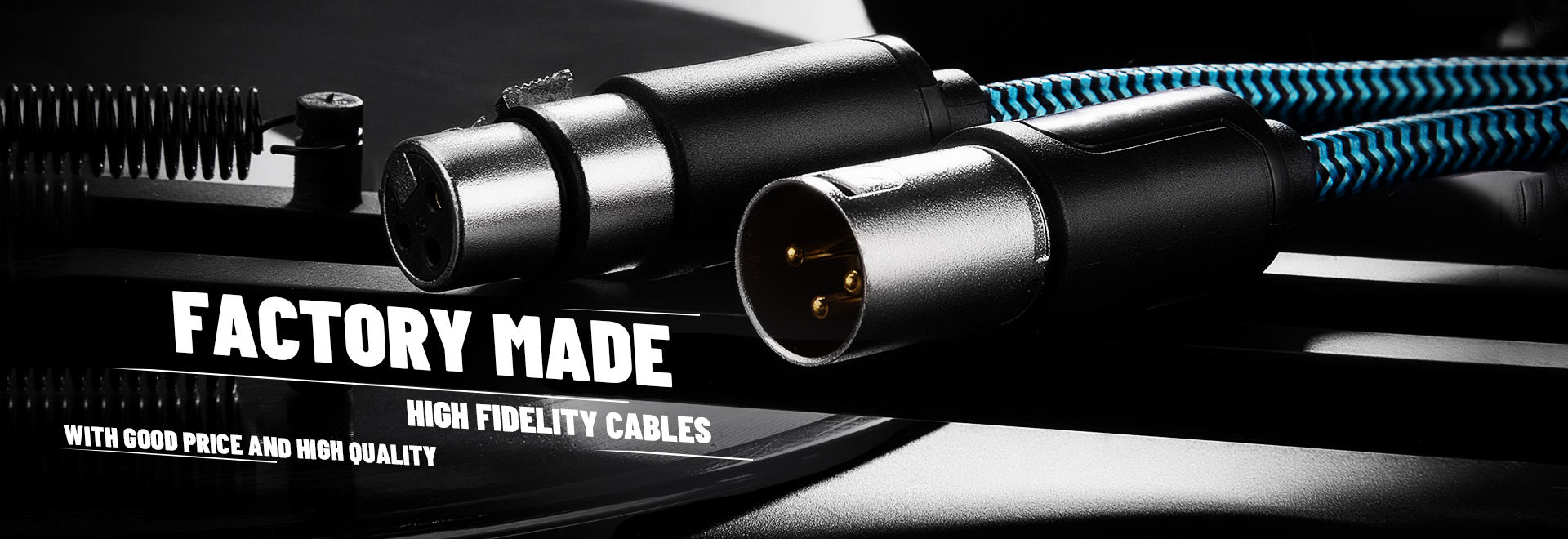
Wholesale Supplier Guide: XLR Microphone Cable vs XLR Speaker Cable
When it comes to choosing between xlr microphone cable vs xlr speaker cable, I've noticed that many B2B purchasers like myself often seek the best quality at competitive prices. In my experience, wholesale options are the way to go, especially when selecting a reliable supplier. XLR microphone cables are designed for transferring audio signals with precision, making them essential for live performances and studio recordings. On the other hand, XLR speaker cables handle higher power levels to ensure that sound reaches its destination without losing clarity. By sourcing both types of cables from trusted suppliers, I've found that the right choice can dramatically improve sound quality in any setting. Investing in high-quality cables not only enhances performance but also builds trust with clients. Let’s make sure you get the best products for your needs, ensuring seamless connections every time!


xlr microphone cable vs xlr speaker cable Industry Leaders Global Reach
When it comes to audio connectivity, understanding the differences between XLR microphone cables and XLR speaker cables is essential for industry leaders aiming to ensure optimal sound quality across various applications. XLR microphone cables are primarily designed to carry low-level audio signals from microphones to mixers or audio interfaces. They feature balanced wiring that minimizes noise and interference, making them ideal for capturing clear, professional-grade audio. On the other hand, XLR speaker cables are used to connect amplifiers to speakers and are designed to handle higher power levels without distortion. Their construction focuses on delivering clean sound over longer distances. As global procurement specialists seek reliable audio solutions, the importance of choosing the right type of cable cannot be overstated. Each cable type plays a crucial role in a successful audio setup, whether for live performances, studio recordings, or broadcasting. The right choice improves sound quality while reducing the chances of equipment damage, ensuring a seamless experience for both performers and audiences. Companies committed to quality and performance should prioritize sourcing cables that meet industry standards to maintain a competitive edge in the dynamic audio market. Furthermore, with the growing demand for high-quality audio equipment worldwide, establishing strong partnerships and supply chains is vital. Whether you’re catering to local venues or reaching international markets, having a dependable source for both XLR microphone and speaker cables can enhance your offerings. By focusing on reliable, high-performance audio solutions, businesses can build lasting relationships with clients and support the ever-evolving needs of the industry.
XLR Microphone Cable vs XLR Speaker Cable Industry Leaders Global Reach
| Cable Type | Usage | Typical Lengths (meters) | Material | Global Usage Rate (%) |
|---|---|---|---|---|
| XLR Microphone Cable | Microphone Connectivity | 3 to 15 | Copper | 65 |
| XLR Speaker Cable | Speaker Connectivity | 2 to 20 | Copper | 35 |
Related Products


xlr microphone cable vs xlr speaker cable Service Manufacturers You Can Rely On
Top Selling Products



- Related Blog
- Reviews
- Reviews