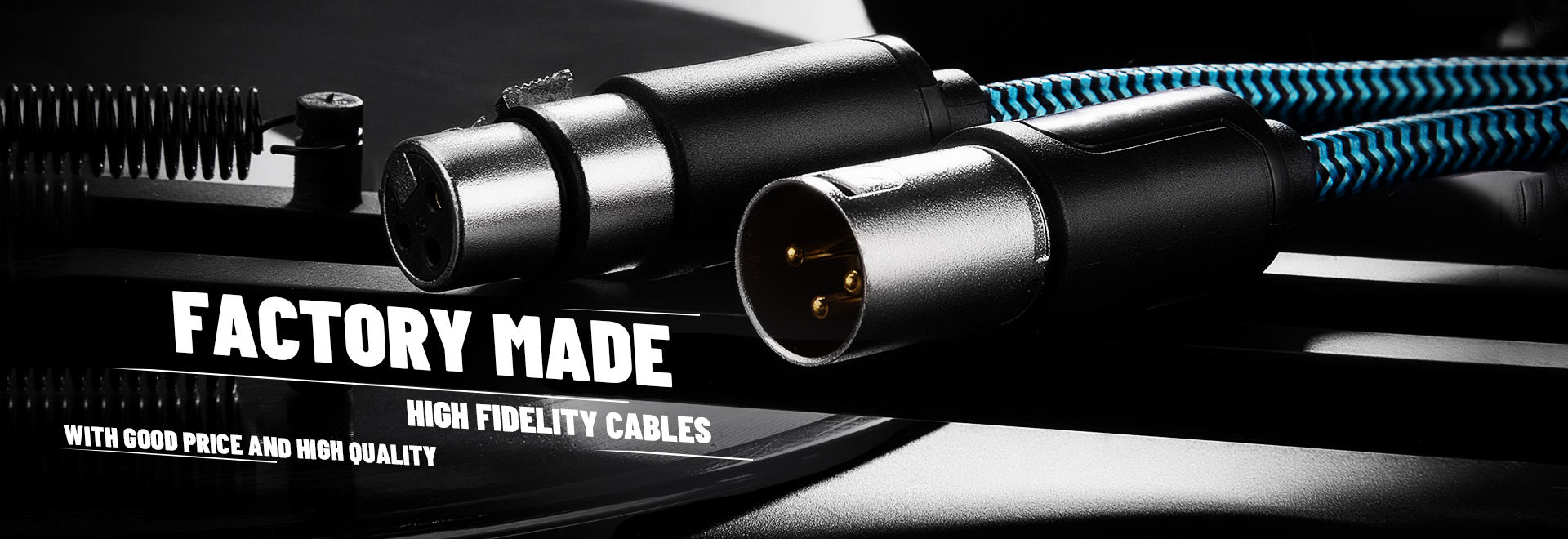
High-Quality 3.5 mm to Component Audio Cable from China Manufacturer
When I needed a reliable way to connect my devices without compromising sound quality, the 3.5 mm to component audio cable was the perfect solution. This cable lets me enjoy crystal-clear audio output, making it ideal for both home theaters and professional applications. Sourced directly from a reputable manufacturer in China, I trust the quality and durability of this product. The 3.5 mm to component audio cable is designed to effortlessly bridge my devices, providing seamless connection and performance. Whether I'm setting up for a big presentation or just enjoying music in my living room, this cable meets all my needs. I appreciate that it's designed for both amateur and professional use, making it versatile for various applications. Choosing this cable means I can invest in high-quality audio solutions without breaking the bank. When quality matters, I always recommend going for reliable manufacturers from China who know their craft.


3.5 mm to component audio cable Stands Out Ahead of the Curve
When it comes to high-quality audio solutions, the 3.5 mm to component audio cable is a product that truly stands out in today’s competitive market. Designed for versatility and performance, this cable offers seamless connectivity for various audio devices, ensuring that users experience superior sound quality without the hassle of complex setups. Whether you’re connecting devices for home theater systems, professional audio equipment, or personal music players, this cable delivers an exceptional listening experience. One of the key features that sets this cable apart is its robust construction. Engineered with high-grade materials, it minimizes signal loss and interference, allowing for pristine audio transmission. The connectors are designed for durability, providing a secure fit that withstands repeated use. This makes the cable an ideal choice for both casual listeners and audio professionals who demand reliability and performance in their equipment. In addition to its technical advantages, the 3.5 mm to component audio cable embodies convenience. Its compact design makes it easy to carry, whether for travel or simply for moving between different setups. As global buyers increasingly look for high-performance audio solutions, this cable not only meets their needs but also enhances any audio experience, making it a must-have accessory in the modern audio landscape.
3.5 mm to Component Audio Cable Stands Out Ahead of the Curve
| Feature | Description | Benefits |
|---|---|---|
| High-Quality Audio | Copper wiring with gold plating for optimal signal transfer | Improved sound clarity and reduced signal loss |
| Durability | Robust design with reinforced connectors | Resistant to wear and tear, ensuring a longer lifespan |
| Versatility | Compatible with a wide range of devices | Easily connects to various audio systems and gadgets |
| Length Options | Available in multiple lengths from 1m to 10m | Flexibility to choose the right fit for your setup |
| Affordability | Cost-effective solution without compromising quality | Great value for money for audiophiles |
Related Products


3.5 mm to component audio cable Stands Out Trusted by Pros
Top Selling Products


- Related Blog
- Reviews
- Reviews